




News & Blogs
For modern production lines, selecting a Continuous Inkjet Printer is a critical asset investment that directly impacts Overall Equipment Effectiveness (OEE). While sourcing a generic coder machine is simple, partnering with the right industrial inkjet printer suppliers requires looking beyond hardware specifications to evaluate long-term integration and fluid stability.
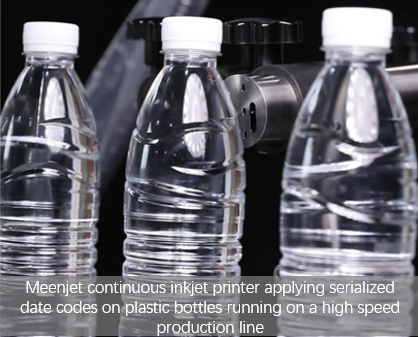
Whether your line demands high-speed trace tracking or a specialized inkjet printer white ink setup for dark substrates, selecting a reliable laser marking machine manufacturer or CIJ expert determines your operational uptime.
1. Evaluate Technical Adaptability and Technology Portfolio
A reliable partner shouldn't force a single technology onto your factory floor. Every packaging material—from glass bottles to flexible pouches—demands a specific tech match. Top-tier providers like Meenjet maintain deep expertise across both fluid-based inkjet coding and marking and light-based laser marking machine systems, allowing them to recommend unbiased product marking solutions.
Coding Technology | Substrate Suitability | Key Operational Benefit |
Continuous Inkjet Printer (CIJ) | Non-contact coding on curved, uneven, or high-speed surfaces. | High-velocity delivery with fast-drying, solvent-based inks. |
High-resolution prints on porous or semi-porous flat surfaces. | Minimal maintenance with seconds-level downtime via simple cartridge swaps. | |
Laser Coding Systems | Permanent, indelible marking on PET, glass, and metals. | Consumable-free, clean, and irreversible product marking solutions. |
2. Verify Adhesion and Fluid Chemistry Compliance
Industrial packaging environments present distinct microclimates. An expiry date coding machine running on a high-speed beverage line faces different humidity and abrasion challenges than a printing machine on plastic bag operations.
When auditing a handheld inkjet printer manufacturer or CIJ supplier, evaluate their chemical engineering capabilities:
Drying & Adhesion: Do their solvents dry instantly on non-porous surfaces to eliminate ink migration and smudging at peak line speeds?
Pigment Management: Do they offer stable, high-contrast inkjet printer white ink that resists settling during micro-pauses in production?
Compliance: Can they provide verified food-grade or chemical-resistant fluids for an expiration date stamper to meet strict global regulatory frameworks?
3. Balance Inline Automation with Off-line Flexibility
While primary lines require a high-speed inline inkjet printer tied directly to automated conveyors, factories frequently encounter off-line staging, batch sampling, or rework packaging needs.
To bridge this gap, look for a supplier capable of unifying your coding ecosystem. For instance, Meenjet balances high-volume automated solutions with agile portable handheld inkjet printer units. Utilizing a handheld coding machine or an ergonomic handheld inkjet printer gun that shares identical data structures and ink matrices with your primary online printers ensures maximum cross-line flexibility without operational bottlenecks.
Conclusion: Vet for Engineering, Not Just Hardware
An unreliable date code machine supplier leaves your line vulnerable to unplanned downtime and illegible batch traces. A reliable partner delivers complete product marking systems backed by specialized fluid chemistry and scalable backup options like a portable printer handheld. Prioritize manufacturers who demonstrate technical transparency and a clear understanding of your long-term total cost of ownership.